For this in-situ activity, students created a diorama of their chosen animal and its habitat, along with writing and practicing how to say the animal’s name in Ktunaxa. The booklets we created were used to inspire students to think of ideas for their dioramas, provided information to learn more about their animals and guided them through the self-assessment at the end. The main focus of the activity was completing the dioramas.
My Student
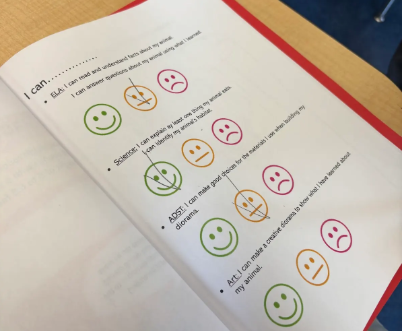
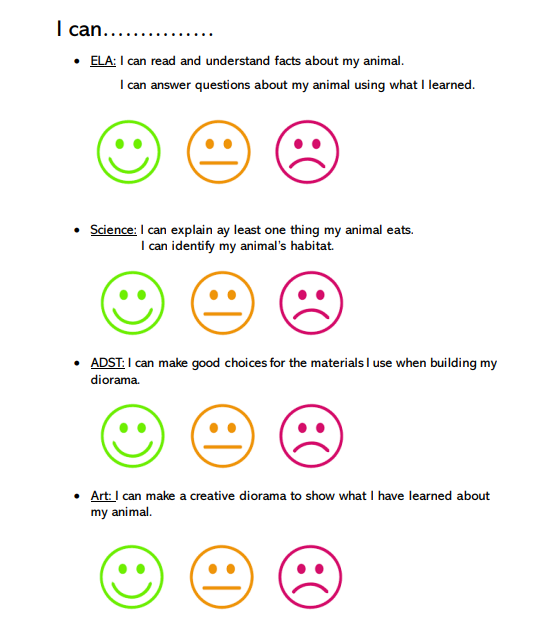
My student started with the crossword because he said he really enjoys them and is good at them. Next, he moved on to the self-assessment and asked me what it was for. I explained that he should read each statement and then colour in the face that showed how he felt about the activity. He told me, “I would give myself a green smiley face for creativity because I am very creative!”
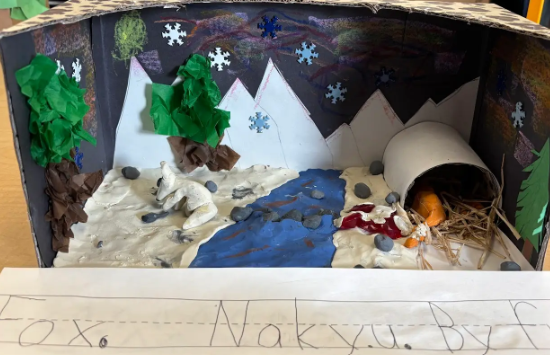
After that, without any instruction, he began planning what he was going to include in his diorama. His ideas included a waterfall and a lake made from tissue paper, a moose and trees made from clay and even though you cannot see it, a clay cave. He was a creative wizard and we balanced each other out because I’m not the most creative person!
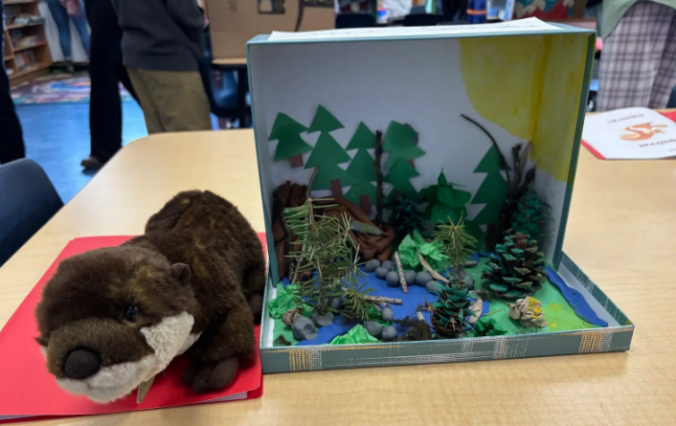
This is an image of my student’s diorama, featuring a moose in a forest habitat with a river flowing from a waterfall, trees and plenty of grass for the moose to eat.
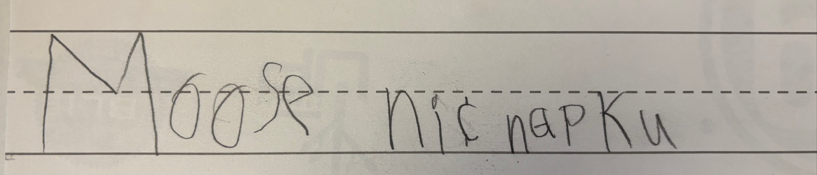
Below is an image of my student writing the word “moose” in both English and Ktunaxa.
Self-Assessment
ELA: I can read and understand facts about my animal.
I can answer questions about my animal using what I learned.
For this item, he marked the “so-so” face because he did not really explore the fun facts or use the booklet to find any.
Science: I can explain ay least one thing my animal eats.
I can identify my animal’s habitat.
He knew these two because he already had prior knowledge about moose and elk. He explained that his dad hunts and since the moose is a local animal, he is familiar with the types of environments they live in.
Art: I can make a creative diorama to show what I have learned about my animal.
For this item, he marked the green smiley face. I completely agree my student was incredibly creative, engaged, enthusiastic and full of ideas for this project!
How This Activity Ties to Grade 2 Science Curriculum
Curricular Competencies:
Experience and interpret the local environment.
Demonstrate curiosity and a sense of wonder about the world.
Reflection
This was such a fun learning experience in the Grade 2 class! Students were engaged during the read-alouds, while creating their dioramas and completing the booklet activities. Creating dioramas is something I would definitely use in my own teaching practice as a creative way to reinforce student learning.
However, I would likely do this with higher grade levels, such as Grades 4 or 5, because Grade 2 students need a lot of support. If I had my class create dioramas, I would also include an oral language component, where students could present their diorama and explain how it connects to their learning.
Overall, this was a really fun and engaging experience. Experiences like this make me feel what it is truly like to be a teacher!
My AHA! Moments
I was really surprised by how engaged and excited the class was about creating dioramas. As a teacher candidate, I do not have much experience with activities like this, so I never really know what will be a hit or a miss. I was also thrilled to see how many students knew and wanted to share the Ktunaxa names of their animals, so cool!
I had the opportunity to participate in an in-situ experience at a local elementary school in a Grade 2 classroom. During this visit, we helped students create dioramas and explore a local animal of their choice through literacy activities that we had prepared for them.
Purpose
The purpose of this activity was to help students explore local animals through research and creative expression, while also introducing them to the Ktunaxa name for their animal to support awareness of local Indigenous language and culture.
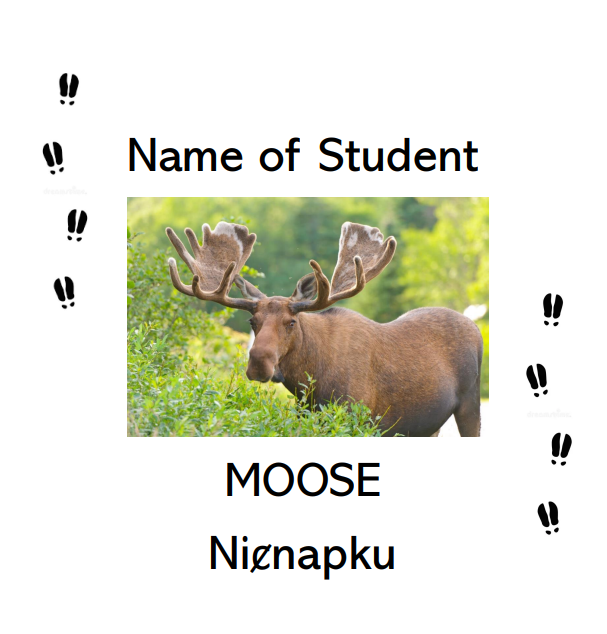
Title Page of My Students Booklet
My student chose a moose, which is called ni¢napku in Ktunaxa. I helped him practice pronouncing the Ktunaxa name for his animal.
Literacy Activities:
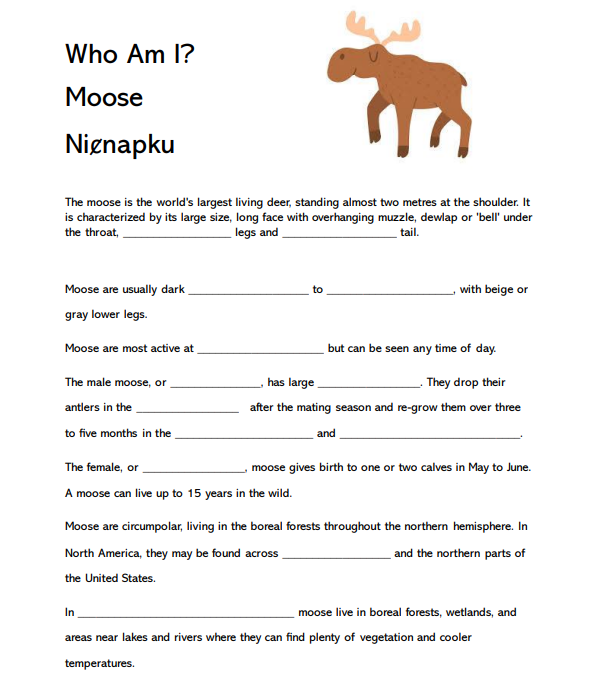
Fill-In-The-Blank
The fill-in-the-blank activity helped reinforce the student’s understanding of moose by encouraging them to recall key facts, practice new vocabulary and engage actively with the information they were learning by using prior knowledge, reading and critical thinking skills. Most of the information I found for the fill-in-the-blank activity I found on the Parks Canada website.
Colour Page
The colouring page was intended as a fun and creative aspect of the booklet.
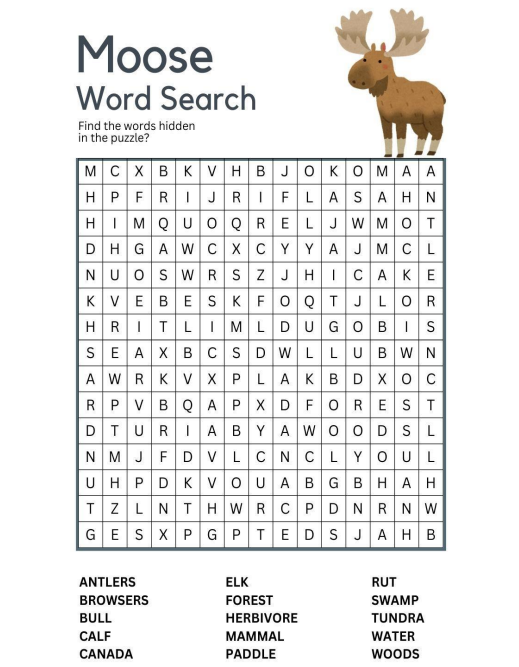
Word Search
The word search activity helped reinforce the student’s learning by introducing and reviewing key vocabulary related to moose in a fun and engaging way.
Self-Assessment
The self-assessment allowed the student to reflect on their learning and recognize what they understood about their animal across different subject areas, including reading, science, oral language skills and creativity. We completed this as a whole-class activity, brainstorming together to decide what criteria students would use to assess themselves focusing on aspects relevant to the project.
Story vines help students develop more oral and reading fluency. On her website about Story Vines, Stephanie Gokarn explains that they, “Enhance reading, writing, listening, speaking, representing and viewing skills.” This is a great learning strategy to keep students engaged in literacy in a meaningful way and developing their literacy skills and knowledge.
How it Works:
Choose a book of your liking that you have read before. Gather supplies such as yarn and some small toy artifacts that connect to the story. In our class we used little eyes, beads, felt, paper and a hot glue gun to assemble all of the pieces and characters of the story. Students can also use paper magazine cut-outs and cardboard. All of the events created must follow the correct sequence of the plot of the story, because this will help guide the individual who is retelling the story to look for clues.
Read the Story to the Students:
It is important to read the story first using enthusiasm and expressive language. After you read the story, retell the story using the story vine looking at the artifacts to guide you.
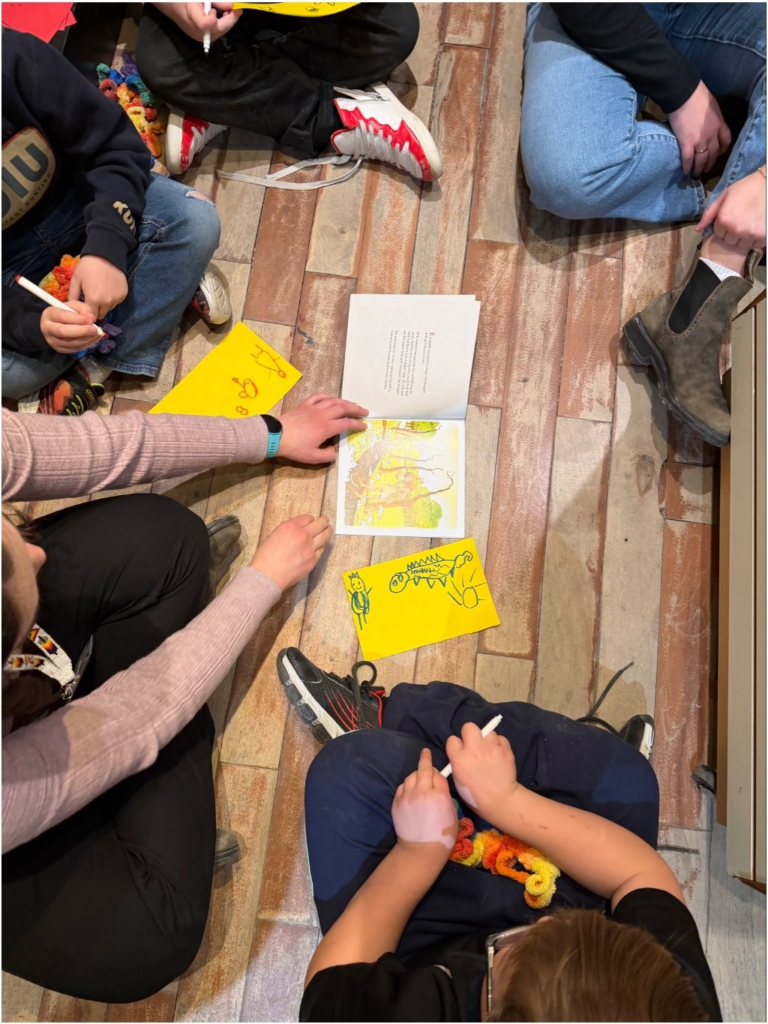
Here is an image of a teacher candidate reading The Paper Bag Princesswriten by Robert Munsch to a small group of Grade 2/3 students while they write down key events in the story:
Students Created Their Own Story Vines:
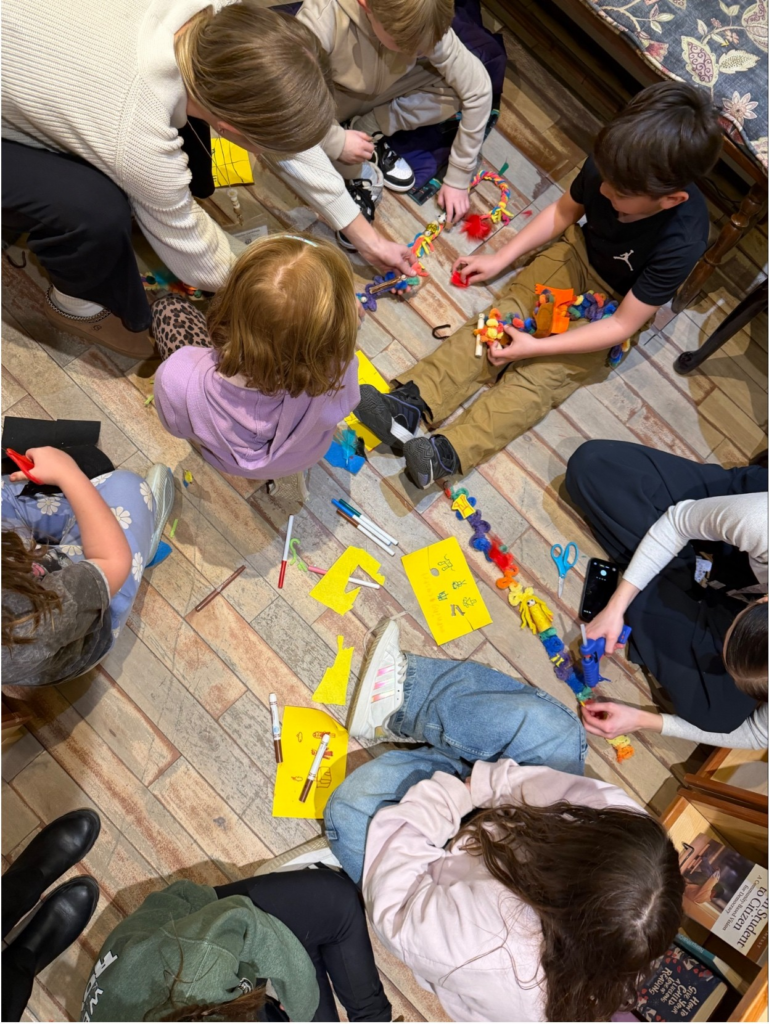
After, we met up with a Grade 2/3 class where we read and helped students create their own story vine from the picture book The Paper Bag Princess! When students have the story read to them, write down important events and create their story vine enhances their listening, reading, viewing and creative skills. Artifacts students created to represent important events in the story that I observed were the princess, dragon, castle and the Earth.
Here is an image of two teacher candidates helping a small group of Grade 2/3’s create their own story vines:
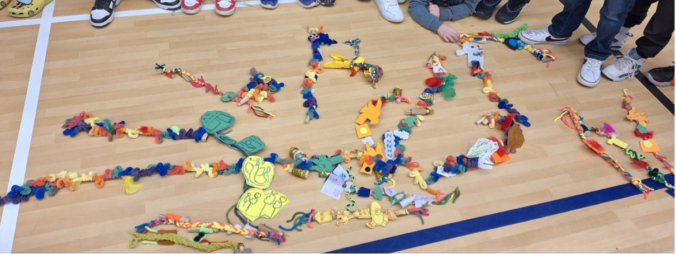
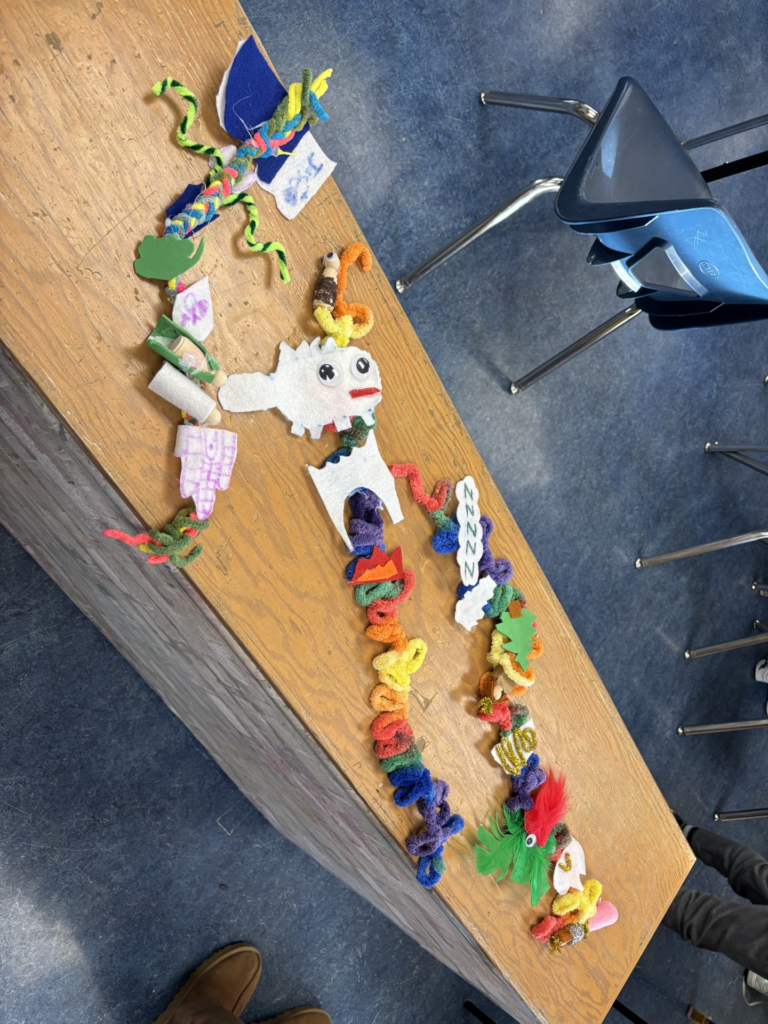
This is an image of some Grade 2/3 students story vines that are finished and ready to be shared:
Students Re-Tell Their Story Vines:
After the students created their own story vines, we went to a local elementary school to observe the Grade 2/3 students retell the story using their story vines to the Kindergarten students.
The students were a bit shy and unsure when they started retelling the story and needed prompting. We would prompt them with questions such as, “What character is this?”, “What happens to the character?”, and “What happens next?” Once the students started telling the story, they felt more confident and began showing off their vines. The Kindergarten students said they enjoyed the retelling and thought it was an interesting project. This was a great experience, as I was able to see the students’ confidence progressively grow throughout the retelling of the story.
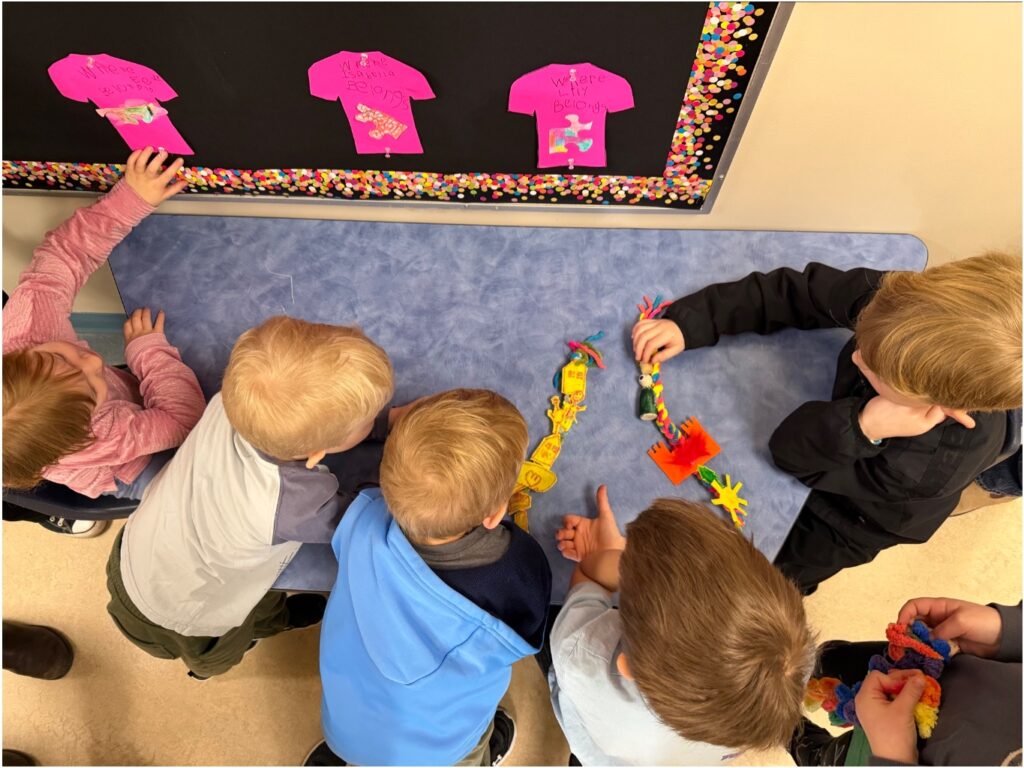
Here is an image of two Grade 2/3 students (right) showing three Kindergarten students (left) their story vines!
How This Activity Connects to the English Language Arts Curriculum for Grade 2:
Big Ideas
Curricular Competency
Content
Language and story can be a source of creativity and joy.
Through listening and speaking, we connect with others and share our world.
Use sources of information and prior knowledge to make meaning.
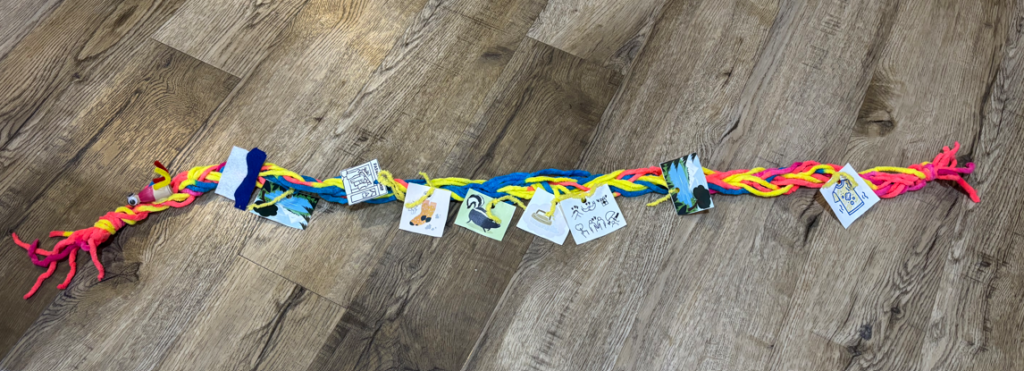
This is my story vine representing the story Smelly Socks written by Canadian author Robert Munsch. I chose this book because it is very special to me, as it was part of my childhood and is a silly read. I chose a colourful vine because in the story, Tina chooses colourful green, red and yellow socks. When I look at the pictures representing different aspects of the story, they help me remember the plot.
Reflection:
This was such a fun activity to do with the Grade 2/3 class and it was great to see them retell the story and share their story vines with the Kindergarten students. This is an activity that I would incorporate into future lessons in my teaching practice!
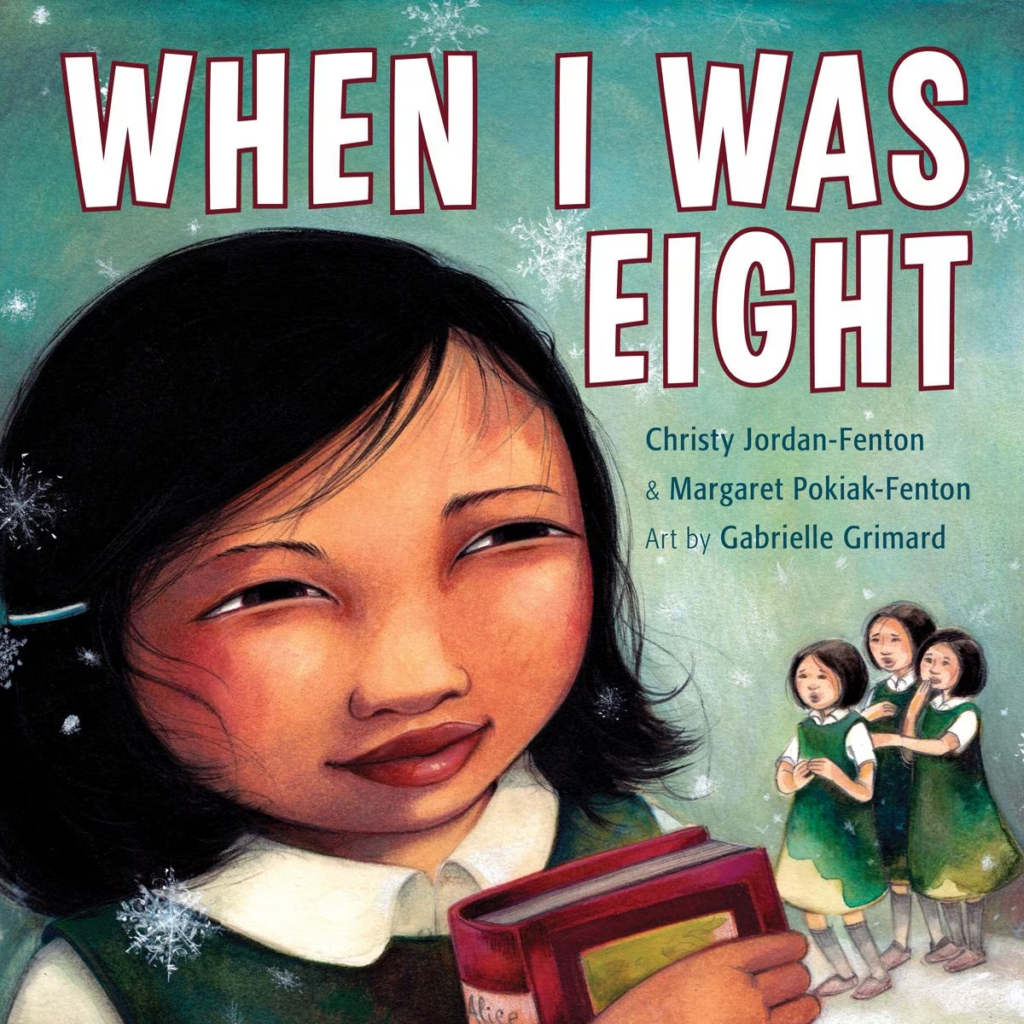
This book is based on the true story of author Margaret Olemaun Pokiak-Fenton and her experience attending a residential school. It presents an honest portrayal of her story, written for younger readers to help them understand the hardships and challenges that young Indigenous children faced. For example, the book illustrates the loss of identity when she was forced to leave her community: the nuns cut her long hair and called her Margaret instead of her Inuit name. I wanted to mention this book because I recently discovered it in my philosophy class and thought it would be an educational read for young learners.
Indigenous Stories and Perspectives Continued..
In her article Putting First Nations Texts at the Center, Roxanne Harde explains that children’s literature shapes students’ understanding and identity. Therefore, school libraries should include authentic books about Indigenous peoples and cultures that avoid colonial stereotypes. Schools should prioritize texts written by Indigenous authors because centering Indigenous voices helps promote accurate representation and deeper understanding for all students. Indigenous texts are one method we can use in our roles as teachers to commit to reconciliation and to teach our students what this means.
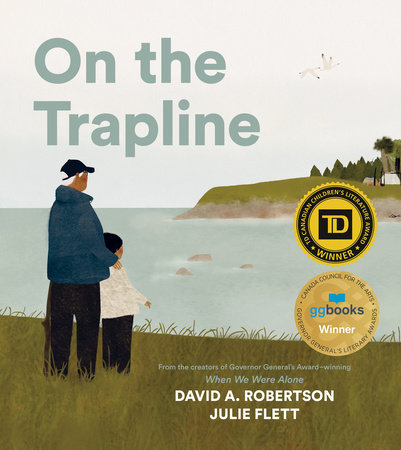
On the Trapline – David A. Robertson Illustrations by Julie Flett
This book is a great read for teaching students some Swampy Cree language words and helping them learn more about Indigenous culture and values. The story follows a young boy and his Grandpa, Moshom, as they visit the family trapline where his grandpa grew up. The young boy learns that a trapline is a place where people hunt and live off the land.
Throughout the visit, he experiences what it is like to live off the land, speak his traditional language, learn about hunting wild animals and eat foods such as berries, bannock and wild meat. In doing so, he gains a deeper understanding of the way his grandpa grew up through telling memories and sharing intergenerational knowledge.
David A. Robertson is a Canadian author and a member of the Norway House Cree Nation and Julie Flett is a Cree-Métis author and illustrator. Therefore, this book offers an authentic representation of how some Cree Indigenous people lived and the language they spoke.
2SLGBTQIA+ Identities
On the website The Walrus, book censorship is described as “in which books are called upon to justify their existence through demonstrations of their moral value.” This means that literature, especially children’s literature, must “prove” that it is worthwhile or teaches important lessons. Everyone has their own definition of what is worthy of being taught, particularly when it comes to morals, values and social or cultural beliefs.
The Walrus also explains that book banners continue to target stories about people of colour, especially those addressing racism and 2SLGBTQIA+ individuals. This is both overwhelming and upsetting because, as discussed earlier in this blog post, it is important for students to feel that they can express themselves and see their identities reflected in the books they read. Books about inclusivity and diversity are a great example of teaching students to show respect and kindness toward themselves and others in meaningful ways. One of my new favourite authors is Elise Gravel. Her literature is about emotions, identity, acceptance and kindness.
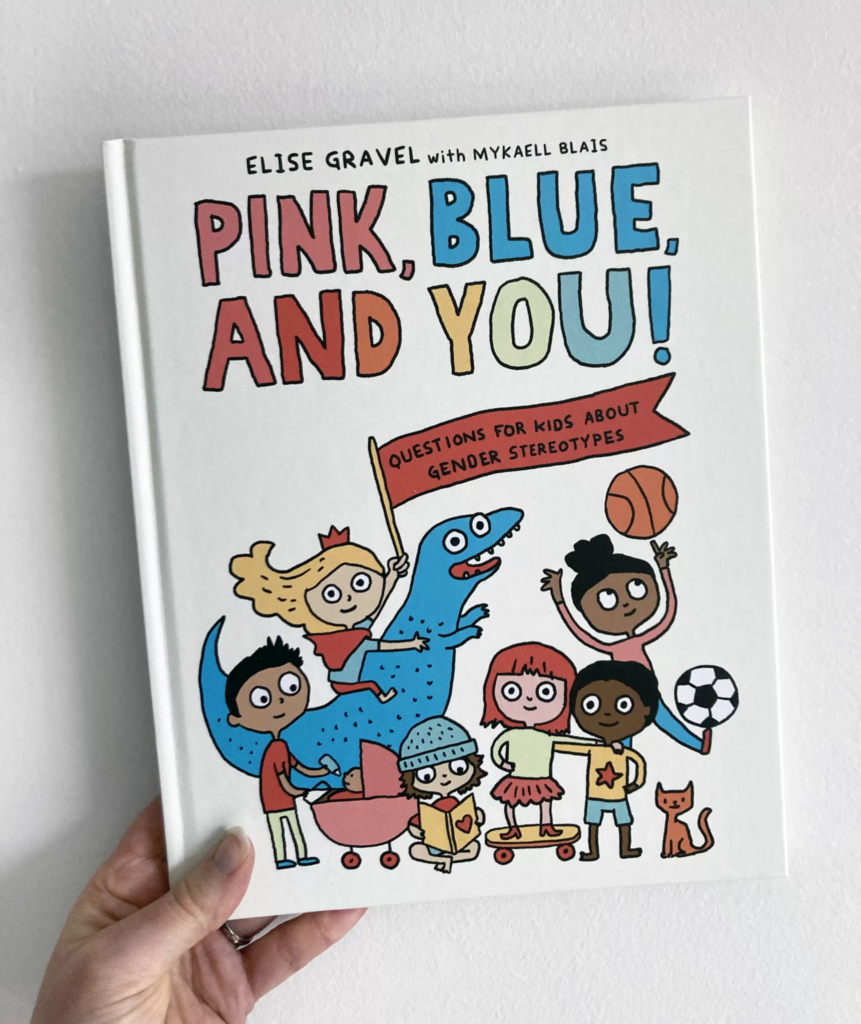
Pink, Blue, and You! – Elise Gravel and Mykaell Blais.
This book has not been subject to a widespread, nationwide ban in Canada. However, there have been calls to remove it from Canadian libraries and schools. The book promotes love, kindness, acceptance and support for individuals in embracing their gender identity and bodies, encouraging them not to feel pushed away or hidden. This is a great read for students who have questions about gender stereotypes.
Pink Shirt Day
Pink Shirt Day is an annual anti-bullying event held in Canada every year on February 25. It began in 2007 when two Grade 12 students, David Shepherd and Travis Price, gave out pink shirts to their classmates after a ninth-grade student, Chuck McNeill, was bullied for wearing a pink shirt on the first day of school.
It is important to educate students on how pink shirt day began and why. When I visited the Grade 2 class for literacy stations in February, they were learning and discussing about kindness. Ways to support anti-bullying is reading literature about kindness, encouraging students to wear a pink shirt, through reflection activities and classroom discussions.
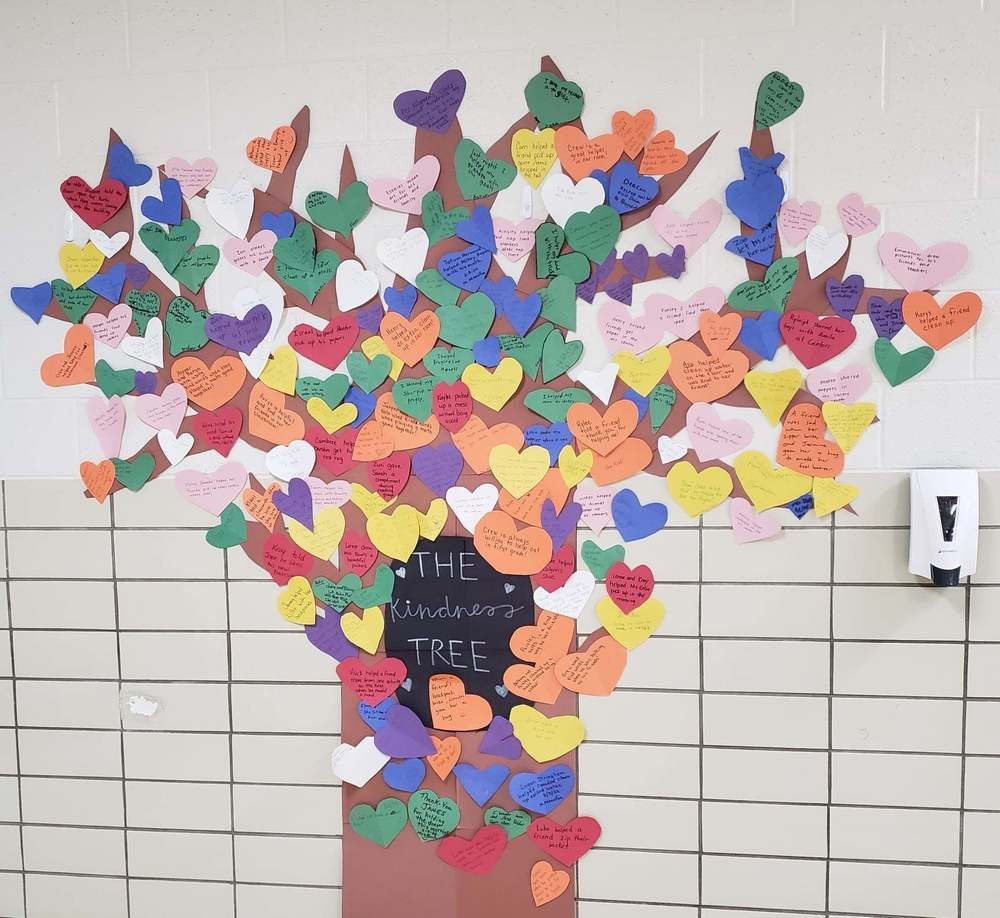
For all grades, the class could come together and create a kindness tree. A large paper cut-out of a tree could be pasted on the classroom wall where students write on paper leaves, apples or hearts acts of kindness and positive messages.
This book celebrates diversity and that everyone feels, thinks and learns in different ways, which is what makes individuals and each classroom special! This book highlights that being different is something that should be celebrated.
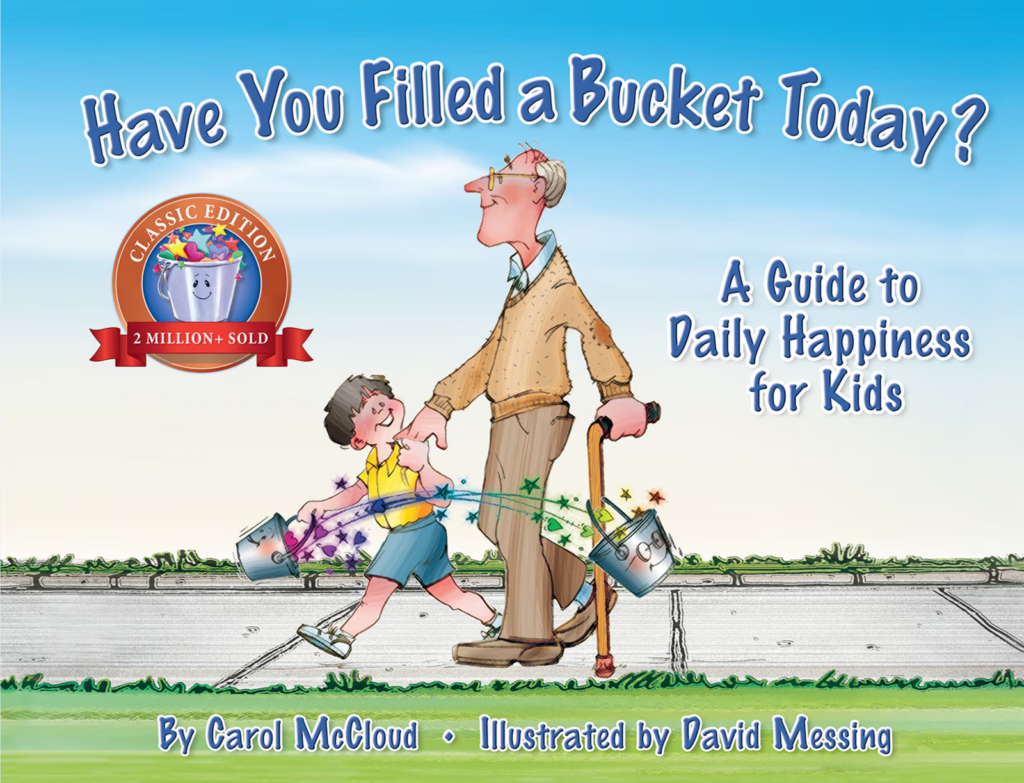
Have You Filled a Bucket Today? – Carol McCloud Illustrated by David Messing
I remember when I was in elementary school my teacher read to my class Have You Filled a Bucket Today? This book teaches students about how being kind to people “fills their bucket” and how it feels when your bucket is filled through love, kindness, empathy and respect. When people are unkind or bully others it can affect their mental health and emotional-wellbeing.
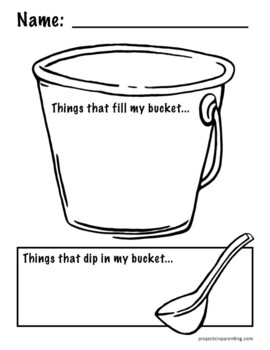
Students can do activities that help them reflect when they have been kind to others and how to show kindness to themselves. The activity above is an example of something similar that could be done in class.
How This Book and Activity Connects to BC English Language Arts Curriculum:
Grade 3:
Big Ideas
Curricular Competency
Content
Stories and other texts help us learn about ourselves, our families, and our communities.
Stories can be understood from different perspectives.
Use sources of information and prior knowledge to make meaning.
Explain the role that story plays in personal, family, and community identity.