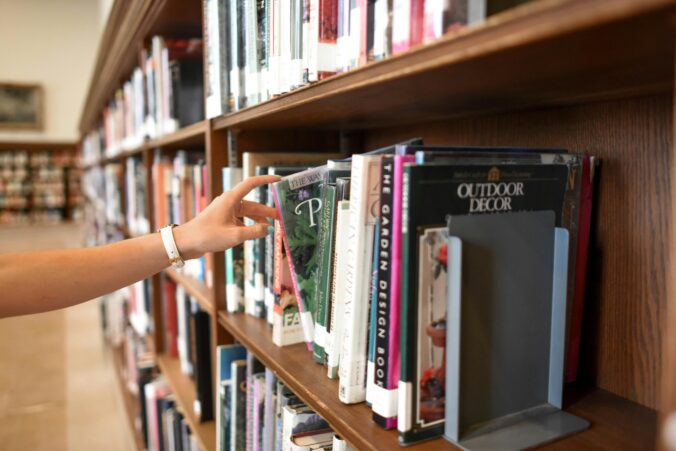
It is important to build a diverse classroom library because students will be more interested in reading. A diverse library includes books that match all students’ reading levels and interests, especially for striving readers and those who may not have ample access to books at home. Diverse classroom libraries will also have books that educate students on relevant topics such as the environment, Indigenous perspectives, 2SLGBTQIA+ identities and books written by BIPOC authors. These types of texts promote representation, foster empathy and broaden students’ understanding of the world and will help create an inclusive learning environment.
Indigenous Stories and Perspectives
A step toward reconciliation is teaching students about Indigenous culture, language and practices by introducing these concepts in meaningful ways and giving them opportunities to actively engage with them. One of the most important steps toward reconciliation is ensuring that students, even as early as Grade 1, understand that Indigenous peoples in our country have experienced serious injustices and hardships in the past. As teachers, it is our job “to do better to decolonize and indigenize our curriculum,” (Gear, 2024, p. 143). Otherwise, there will be no steps toward reconciliation. One of the first steps is to explain why Indigenous languages and cultural practices have declined over time; one significant reason for this was the residential school system.
- When I Was Eight – Christy Jordan-Fenton & Margaret Olemaun Pokiak-Fenton, illustrations by Gabrielle Grimard.
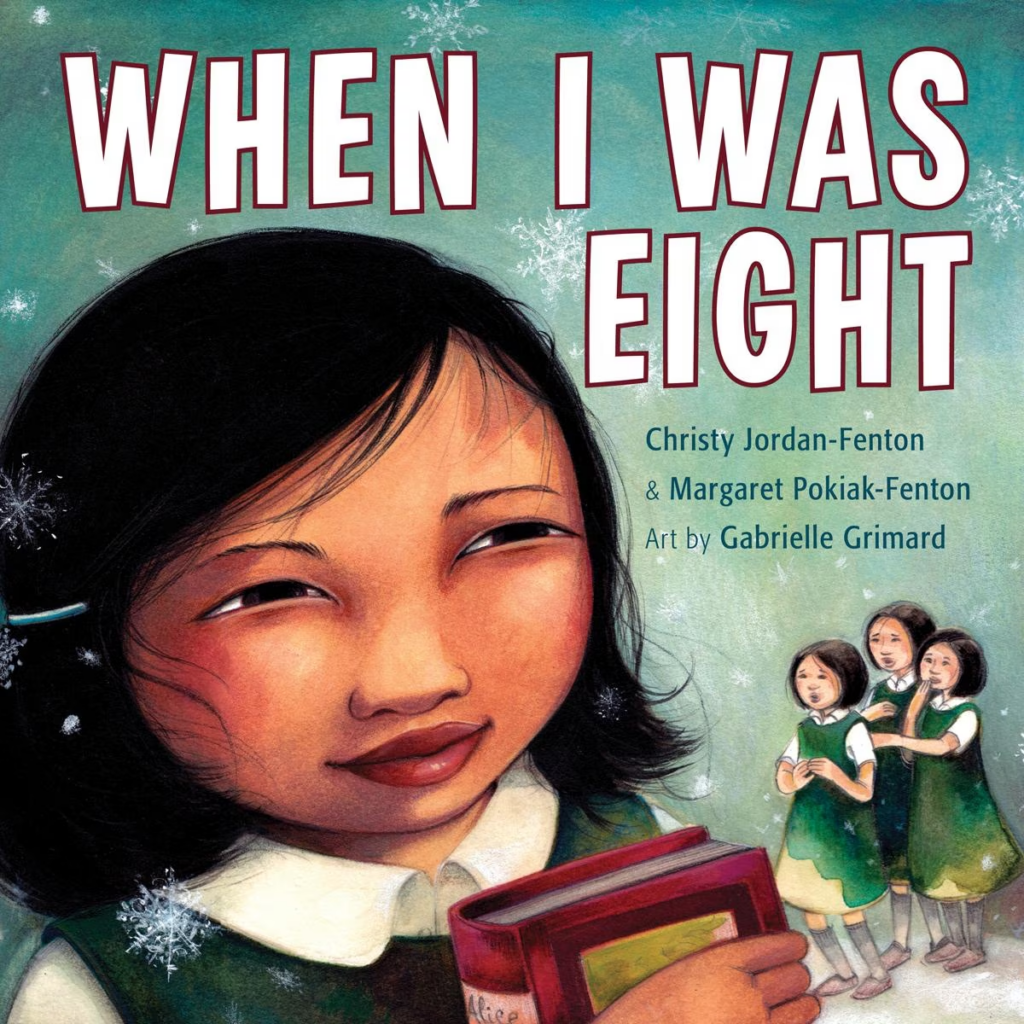
Book cover from: https://www.indigo.ca/en-ca/when-i-was-eight/9781554514915.html
This book is based on the true story of author Margaret Olemaun Pokiak-Fenton and her experience attending a residential school. It presents an honest portrayal of her story, written for younger readers to help them understand the hardships and challenges that young Indigenous children faced. For example, the book illustrates the loss of identity when she was forced to leave her community: the nuns cut her long hair and called her Margaret instead of her Inuit name. I wanted to mention this book because I recently discovered it in my philosophy class and thought it would be an educational read for young learners.
Indigenous Stories and Perspectives Continued..
In her article Putting First Nations Texts at the Center, Roxanne Harde explains that children’s literature shapes students’ understanding and identity. Therefore, school libraries should include authentic books about Indigenous peoples and cultures that avoid colonial stereotypes. Schools should prioritize texts written by Indigenous authors because centering Indigenous voices helps promote accurate representation and deeper understanding for all students. Indigenous texts are one method we can use in our roles as teachers to commit to reconciliation and to teach our students what this means.
- On the Trapline – David A. Robertson Illustrations by Julie Flett
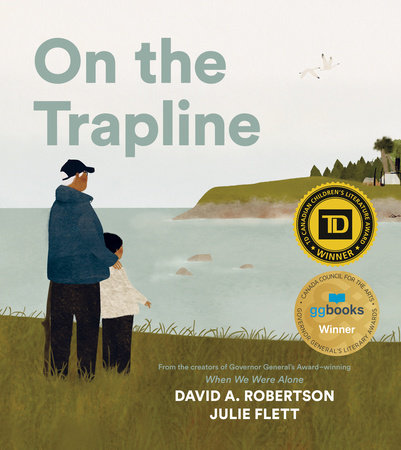
Book cover from: https://www.penguinrandomhouse.ca/books/609013/on-the-trapline-by-david-a-robertson-illustrated-by-julie-flett/9780735266681
This book is a great read for teaching students some Swampy Cree language words and helping them learn more about Indigenous culture and values. The story follows a young boy and his Grandpa, Moshom, as they visit the family trapline where his grandpa grew up. The young boy learns that a trapline is a place where people hunt and live off the land.
Throughout the visit, he experiences what it is like to live off the land, speak his traditional language, learn about hunting wild animals and eat foods such as berries, bannock and wild meat. In doing so, he gains a deeper understanding of the way his grandpa grew up through telling memories and sharing intergenerational knowledge.
David A. Robertson is a Canadian author and a member of the Norway House Cree Nation and Julie Flett is a Cree-Métis author and illustrator. Therefore, this book offers an authentic representation of how some Cree Indigenous people lived and the language they spoke.
2SLGBTQIA+ Identities
On the website The Walrus, book censorship is described as “in which books are called upon to justify their existence through demonstrations of their moral value.” This means that literature, especially children’s literature, must “prove” that it is worthwhile or teaches important lessons. Everyone has their own definition of what is worthy of being taught, particularly when it comes to morals, values and social or cultural beliefs.
The Walrus also explains that book banners continue to target stories about people of colour, especially those addressing racism and 2SLGBTQIA+ individuals. This is both overwhelming and upsetting because, as discussed earlier in this blog post, it is important for students to feel that they can express themselves and see their identities reflected in the books they read. Books about inclusivity and diversity are a great example of teaching students to show respect and kindness toward themselves and others in meaningful ways. One of my new favourite authors is Elise Gravel. Her literature is about emotions, identity, acceptance and kindness.
- Pink, Blue, and You! – Elise Gravel and Mykaell Blais.
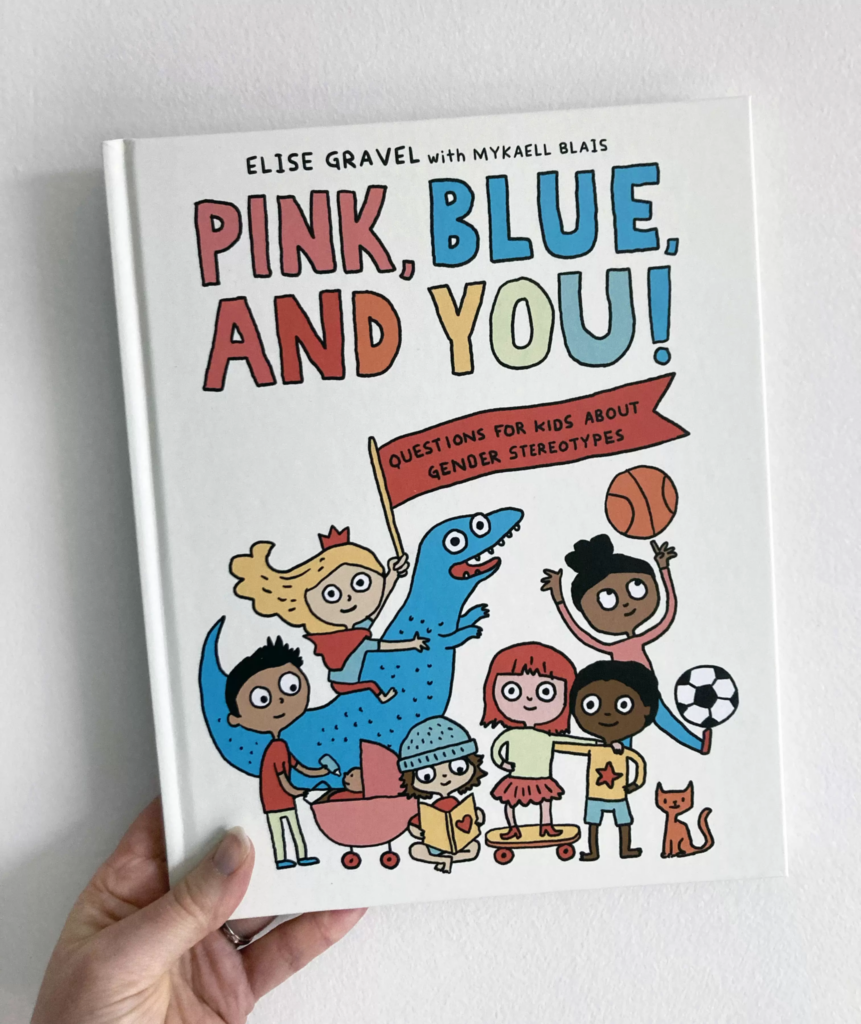
Book cover from: https://elisegravel.com/en/blog/pink-blue-and-you-my-new-book-is-in-stores-today/
This book has not been subject to a widespread, nationwide ban in Canada. However, there have been calls to remove it from Canadian libraries and schools. The book promotes love, kindness, acceptance and support for individuals in embracing their gender identity and bodies, encouraging them not to feel pushed away or hidden. This is a great read for students who have questions about gender stereotypes.
Pink Shirt Day
Pink Shirt Day is an annual anti-bullying event held in Canada every year on February 25. It began in 2007 when two Grade 12 students, David Shepherd and Travis Price, gave out pink shirts to their classmates after a ninth-grade student, Chuck McNeill, was bullied for wearing a pink shirt on the first day of school.
It is important to educate students on how pink shirt day began and why. When I visited the Grade 2 class for literacy stations in February, they were learning and discussing about kindness. Ways to support anti-bullying is reading literature about kindness, encouraging students to wear a pink shirt, through reflection activities and classroom discussions.
For all grades, the class could come together and create a kindness tree. A large paper cut-out of a tree could be pasted on the classroom wall where students write on paper leaves, apples or hearts acts of kindness and positive messages.
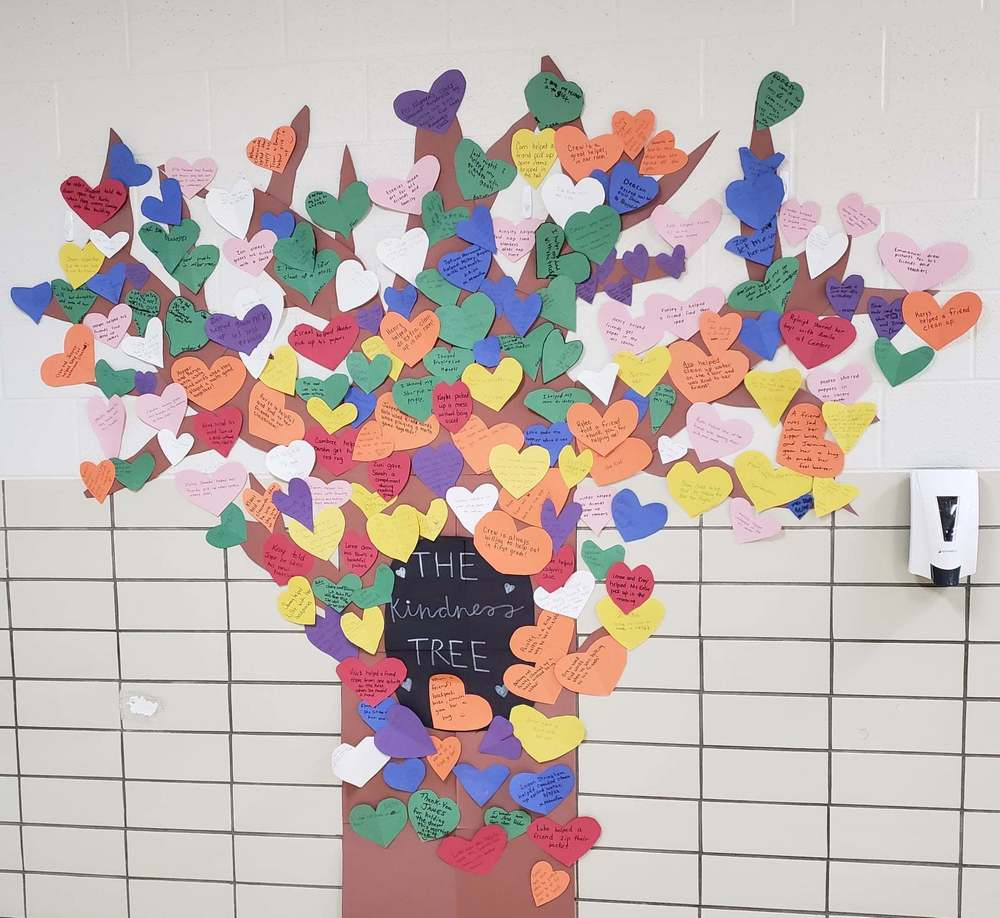
Image retrieved from: https://www.acgcschools.org/o/gc-elementary/article/687492
Literature that Stands for Anti-Bullying
- It’s My Brain! – Elise Gravel
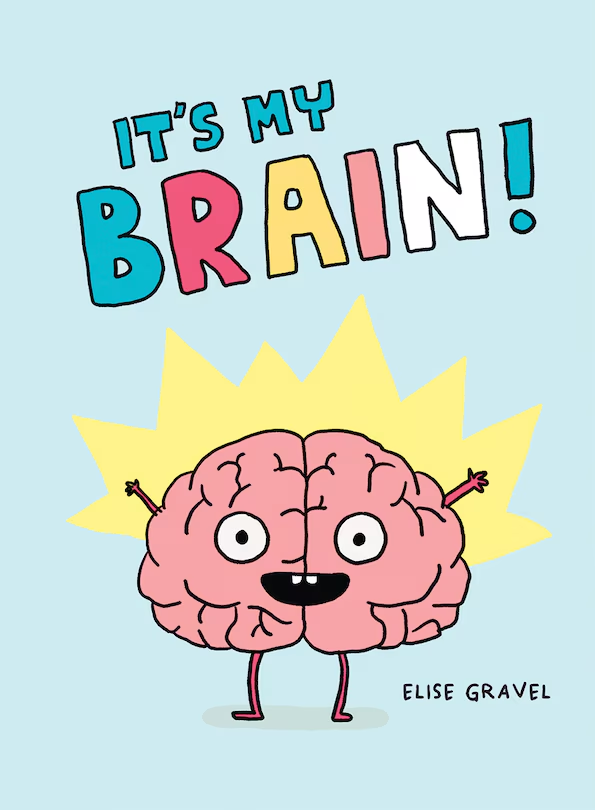
Book cover from: https://www.indigo.ca/en-ca/its-my-brain/9781039710092.html
This book celebrates diversity and that everyone feels, thinks and learns in different ways, which is what makes individuals and each classroom special! This book highlights that being different is something that should be celebrated.
- Have You Filled a Bucket Today? – Carol McCloud Illustrated by David Messing
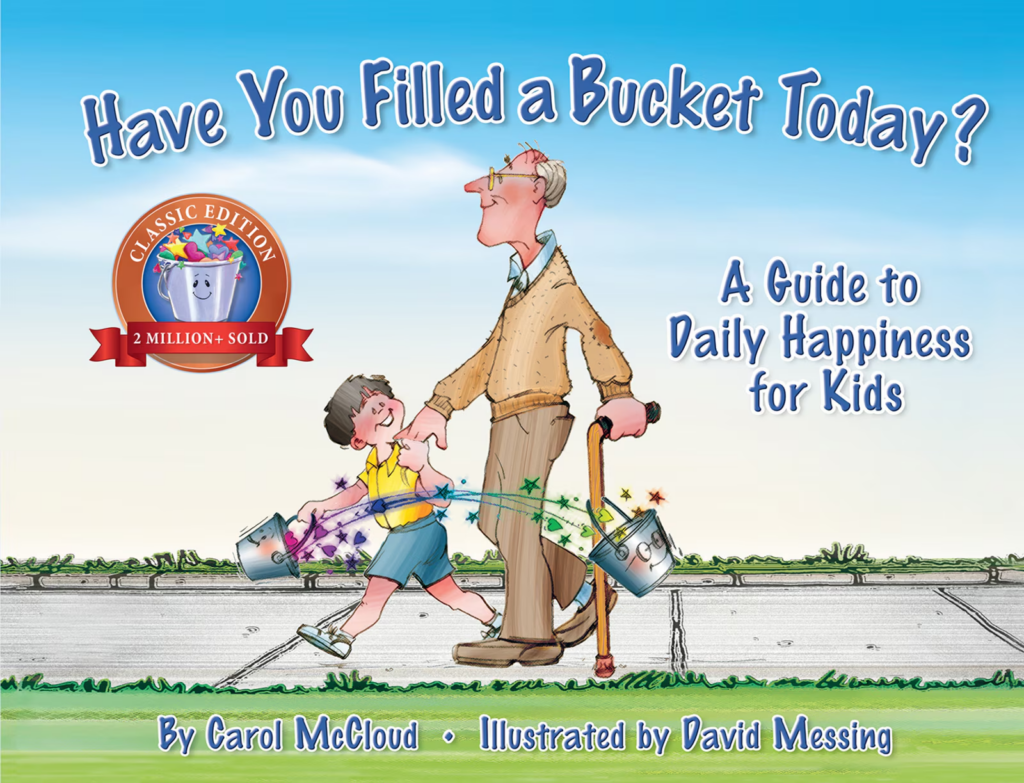
Book cover from: https://www.indigo.ca/en-ca/have-you-filled-a-bucket-today-a-guide-to-daily-happiness-for-kids/9780996099936.html
I remember when I was in elementary school my teacher read to my class Have You Filled a Bucket Today? This book teaches students about how being kind to people “fills their bucket” and how it feels when your bucket is filled through love, kindness, empathy and respect. When people are unkind or bully others it can affect their mental health and emotional-wellbeing.
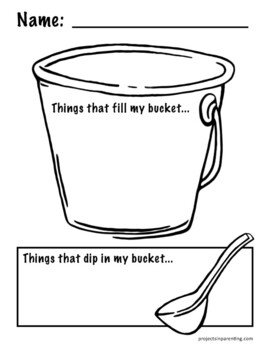
Image retrieved from: https://www.teacherspayteachers.com/browse/free?search=have%20you%20filled%20a%20bucket%20today
Students can do activities that help them reflect when they have been kind to others and how to show kindness to themselves. The activity above is an example of something similar that could be done in class.
How This Book and Activity Connects to BC English Language Arts Curriculum:
Grade 3:
| Big Ideas | Curricular Competency | Content |
Stories and other texts help us learn about ourselves, our families, and our communities. Stories can be understood from different perspectives. | Use sources of information and prior knowledge to make meaning. Explain the role that story plays in personal, family, and community identity. Recognize the structure and elements of story. Make connections between ideas from a variety of sources and prior knowledge to build understanding. | writing processes |