Purpose:
Story vines help students develop more oral and reading fluency. On her website about Story Vines, Stephanie Gokarn explains that they, “Enhance reading, writing, listening, speaking, representing and viewing skills.” This is a great learning strategy to keep students engaged in literacy in a meaningful way and developing their literacy skills and knowledge.
How it Works:
Choose a book of your liking that you have read before. Gather supplies such as yarn and some small toy artifacts that connect to the story. In our class we used little eyes, beads, felt, paper and a hot glue gun to assemble all of the pieces and characters of the story. Students can also use paper magazine cut-outs and cardboard (Bright, 2021, p.91). All of the events created must follow the correct sequence of the plot of the story, because this will help guide the individual who is retelling the story to look for clues.
Read the Story to the Students:
It is important to read the story first using enthusiasm and expressive language (Bright, 2021). After you read the story, retell the story using the story vine looking at the artifacts to guide you.
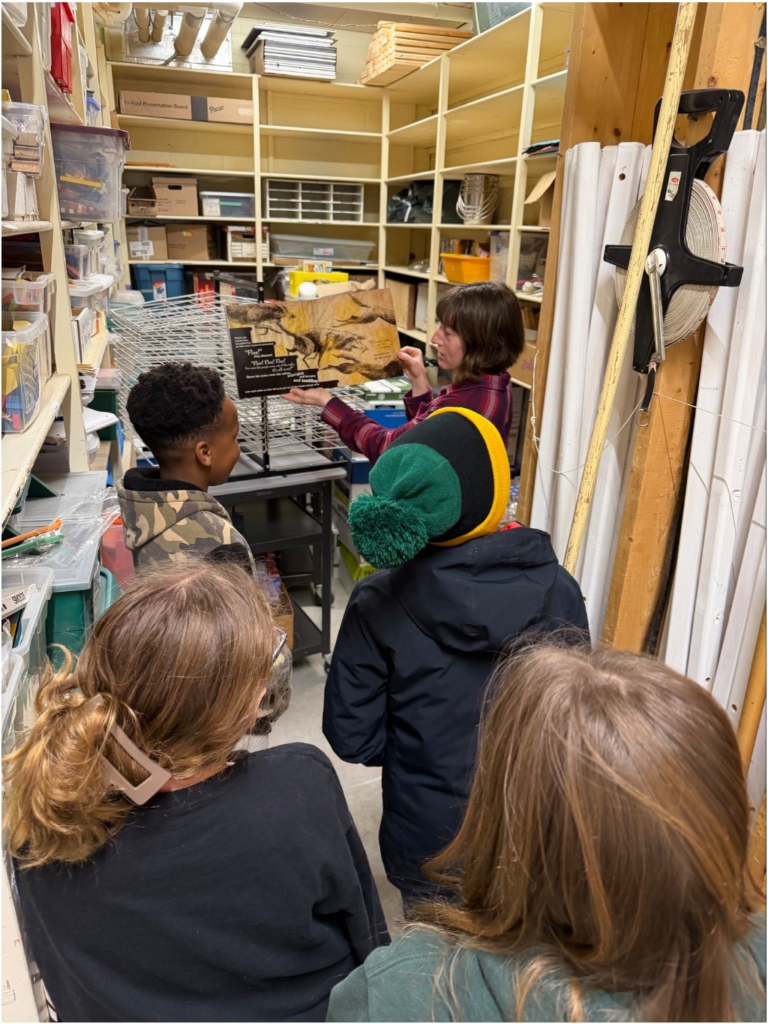
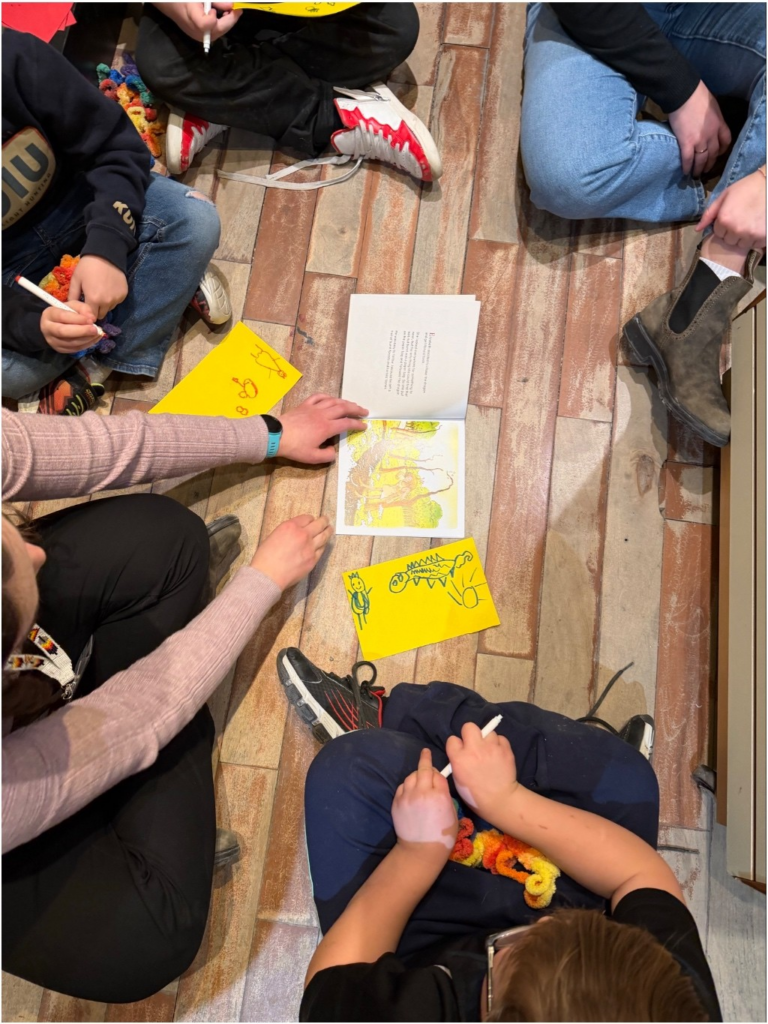
Here is an image of a teacher candidate reading The Paper Bag Princess writen by Robert Munsch to a small group of Grade 2/3 students while they write down key events in the story:
Students Created Their Own Story Vines:
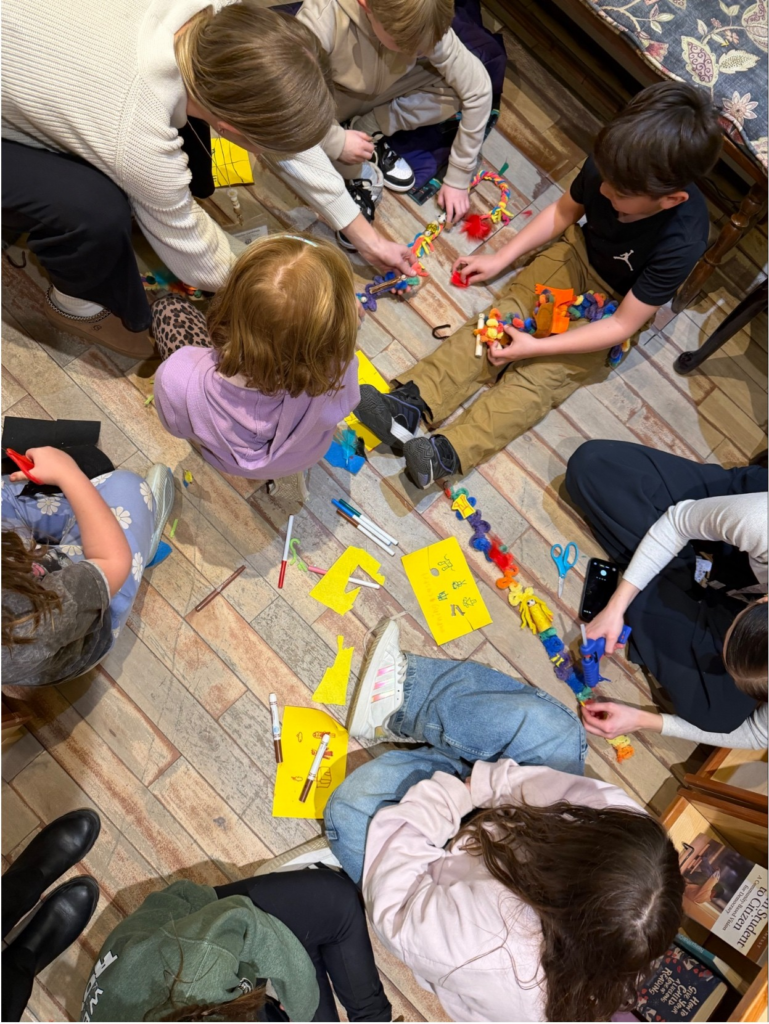
After, we met up with a Grade 2/3 class where we read and helped students create their own story vine from the picture book The Paper Bag Princess! When students have the story read to them, write down important events and create their story vine enhances their listening, reading, viewing and creative skills. Artifacts students created to represent important events in the story that I observed were the princess, dragon, castle and the Earth.
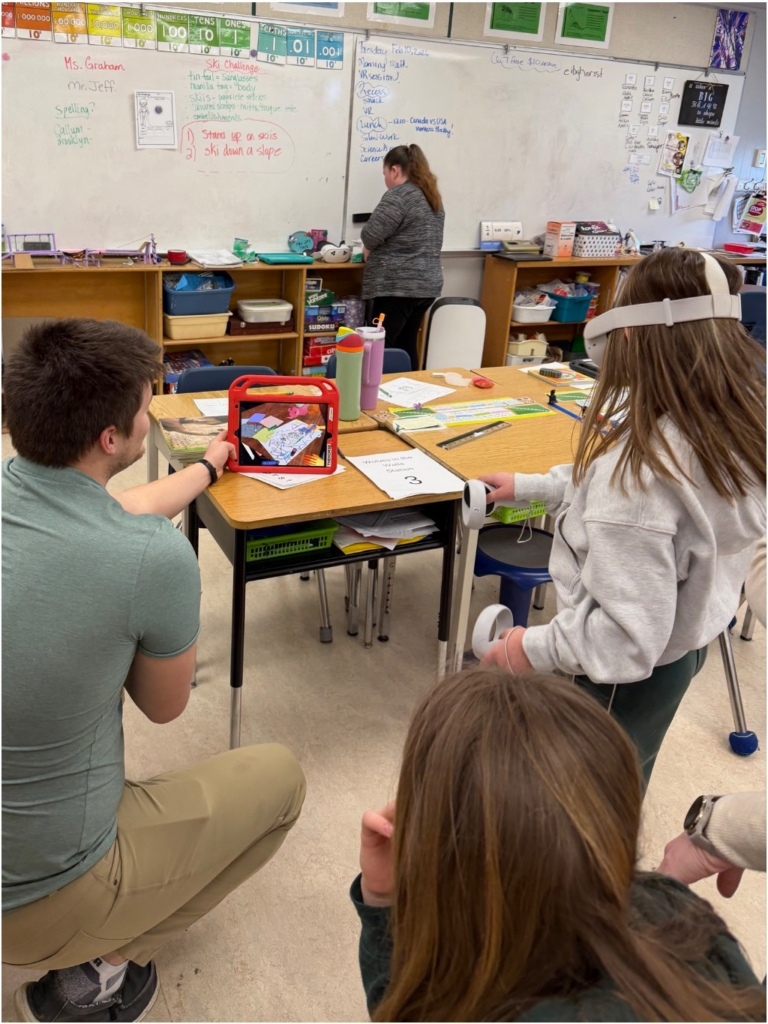
Here is an image of two teacher candidates helping a small group of Grade 2/3’s create their own story vines:
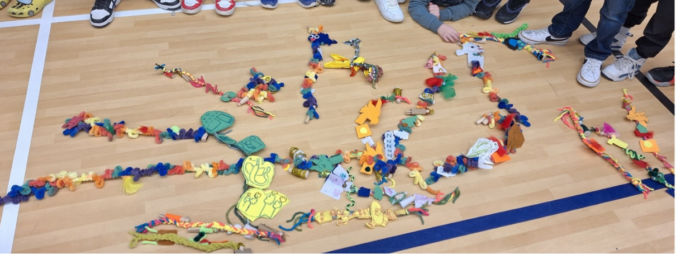
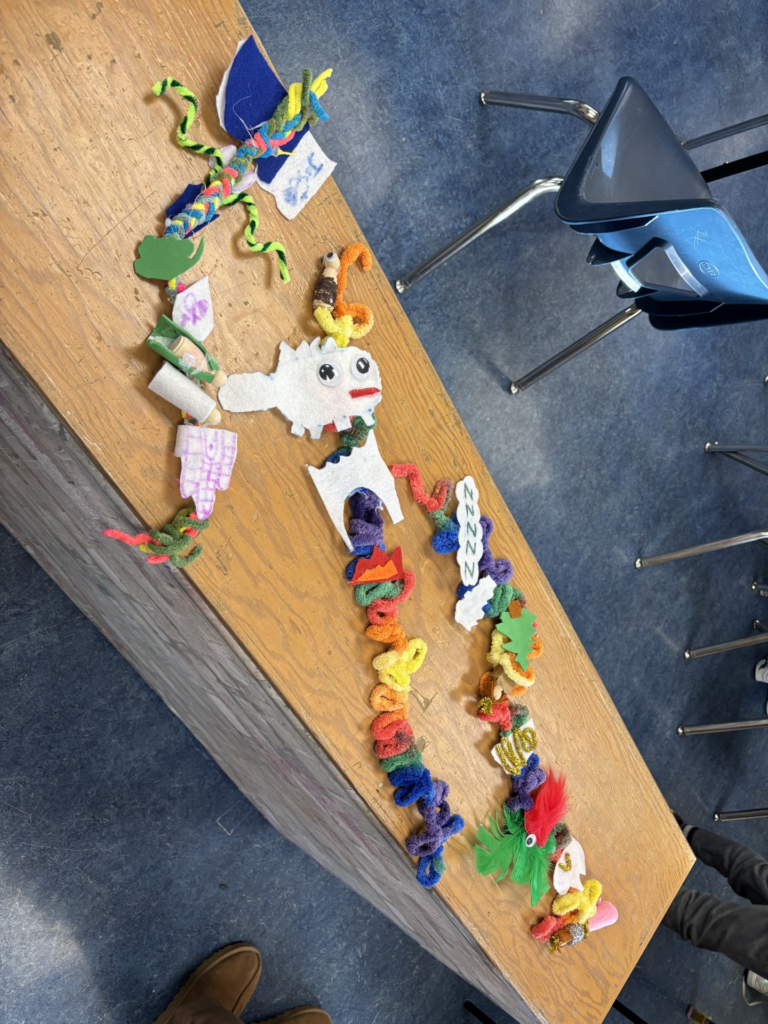
This is an image of some Grade 2/3 students story vines that are finished and ready to be shared:
Students Re-Tell Their Story Vines:
After the students created their own story vines, we went to a local elementary school to observe the Grade 2/3 students retell the story using their story vines to the Kindergarten students.
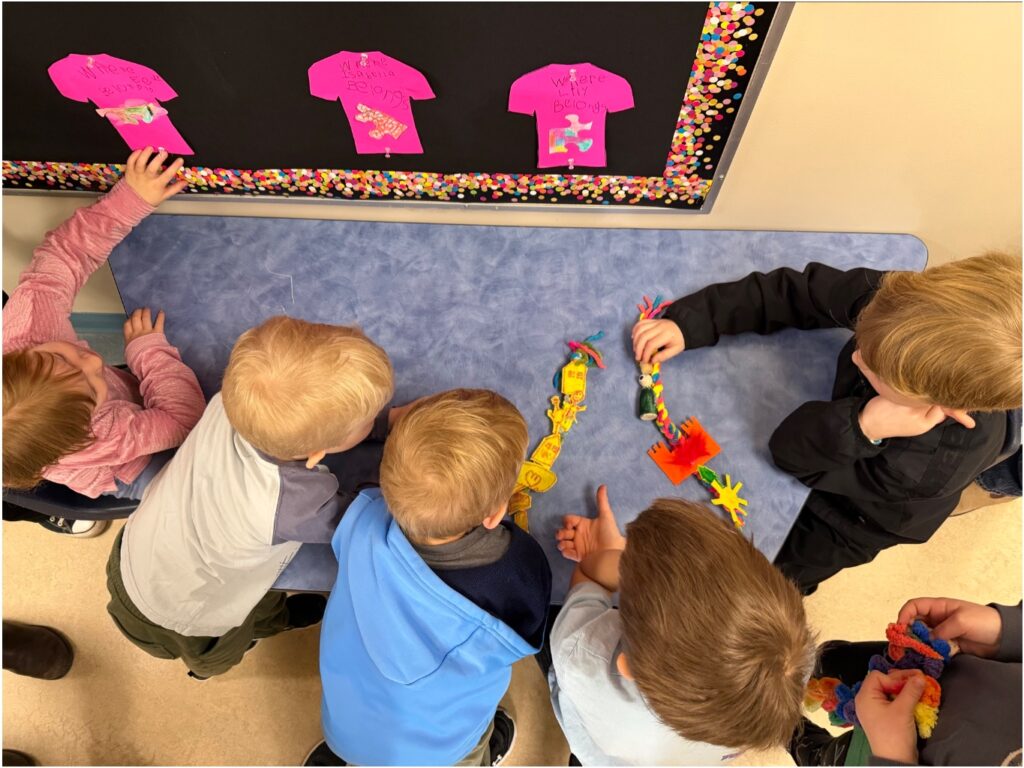
The students were a bit shy and unsure when they started retelling the story and needed prompting. We would prompt them with questions such as, “What character is this?”, “What happens to the character?”, and “What happens next?” Once the students started telling the story, they felt more confident and began showing off their vines. The Kindergarten students said they enjoyed the retelling and thought it was an interesting project. This was a great experience, as I was able to see the students’ confidence progressively grow throughout the retelling of the story.
Here is an image of two Grade 2/3 students (right) showing three Kindergarten students (left) their story vines!
How This Activity Connects to the English Language Arts Curriculum for Grade 2:
| Big Ideas | Curricular Competency | Content |
| Language and story can be a source of creativity and joy. Through listening and speaking, we connect with others and share our world. | Use sources of information and prior knowledge to make meaning. Use developmentally appropriate reading, listening, and viewing strategies to make meaning. Plan and create a variety of communication forms for different purposes and audiences. | Vocabulary associated with texts. Oral language strategies. |
How This Activity Connects to the English Language Arts Curriculum for Grade 3:
| Big Ideas | Curricular Competency | Content |
| Language and story can be a source of creativity and joy. Using language in creative and playful ways help us understand how language works. | Use sources of information and prior knowledge to make meaning. Use developmentally appropriate reading, listening, and viewing strategies to make meaning. Plan and create a variety of communication forms for different purposes and audiences. Use personal experience and knowledge to connect to text and make meaning. | Oral language strategies |
My Story Vine:
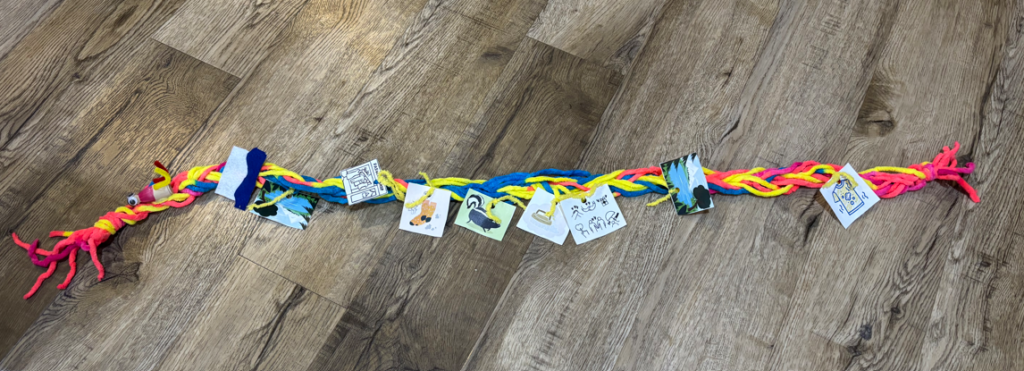
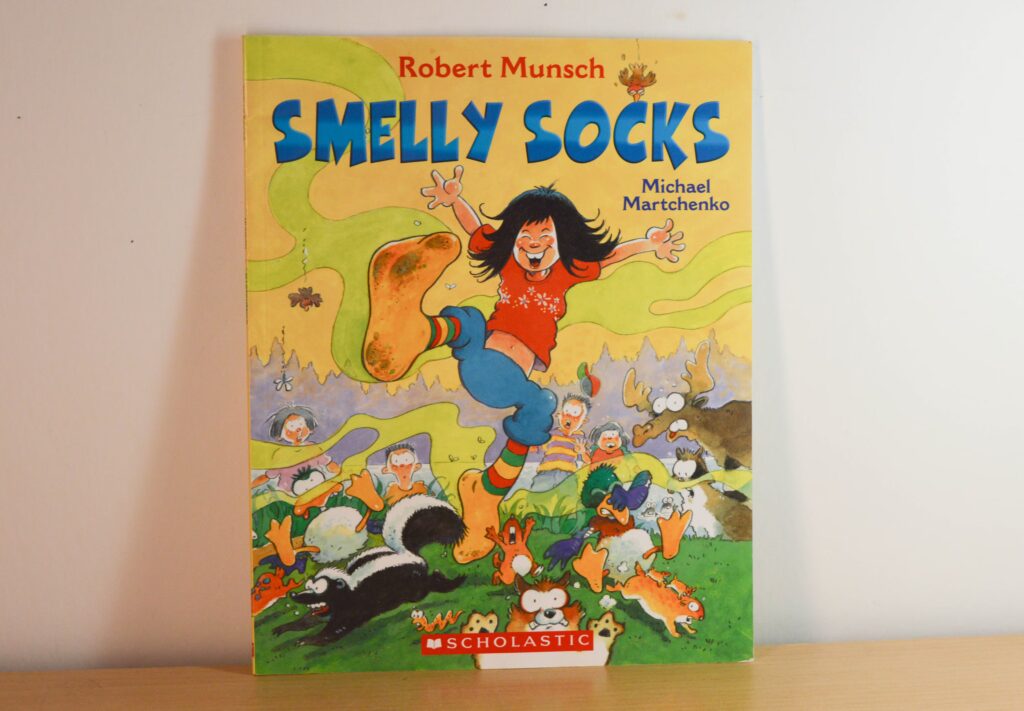
This is my story vine representing the story Smelly Socks written by Canadian author Robert Munsch. I chose this book because it is very special to me, as it was part of my childhood and is a silly read. I chose a colourful vine because in the story, Tina chooses colourful green, red and yellow socks. When I look at the pictures representing different aspects of the story, they help me remember the plot.
Reflection:
This was such a fun activity to do with the Grade 2/3 class and it was great to see them retell the story and share their story vines with the Kindergarten students. This is an activity that I would incorporate into future lessons in my teaching practice!
Resources:
Bright, R. M. (2021). Sometimes Reading is Hard: Using Decoding, Vocabulary, and Comprehension Strategies to Inspire Fluent, Passionate, Lifelong Readers. Pembroke Publishers.
https://www.cbc.ca/news/canada/manitoba/story-vines-winnipeg-1.5040107